

Eastleigh Under Attack
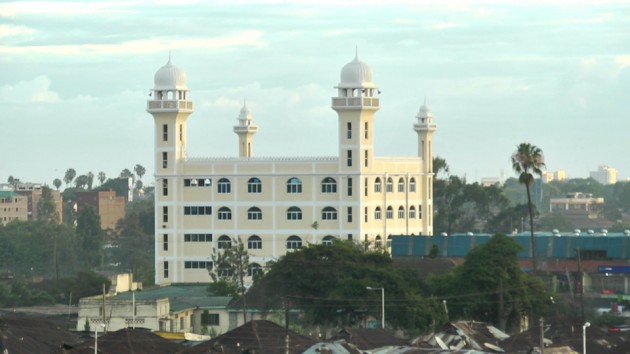
Since the tragedy in Westgate the Somali community in Nairobi has come under siege. On one side they face unjustified crackdowns by police officers looking for bribes, and on the other, they are faced with extremist elements in their community. Residents of Eastleigh and Majengo point to two mosques in particular, where Al Shabaab recruitment takes place. The Bilal Mosque in Eastleigh and the Riyadh Mosque in Majengo (commonly known as the Majengo Mosque). “Construction of this mosque was started by the committee of old men who pulled down the old mosque and embarked on building a new one. There was a day the young men came in and raided the mosque, pilfered everything, and beat up the men. Since then, they run this mosque. The Al-Shabaab run this mosque up to now,” says a concerned parent about the Riyadh mosque.“It happens that we get arrested and we are demanded huge money that we cannot afford, to be released. Sometimes, we are called Al Shabaab.”
While specific locations of Al-Shabaab recruitment are known, police officers on the ground seem more concerned with lining their own pockets than pursuing terrorists. “When night falls, around 7:00 p.m., they’re already moving around, they arrest people, sometimes even people with nothing, they lock them up,” Abdirahman Ali Noor, a taxi driver in Eastleigh, shares. “The only thing that might help you is if you have a little money, if you don’t, then you cannot be helped, you will get locked up.” He says.
“It happens that we get arrested and we are demanded huge money that we cannot afford, to be released. Sometimes, we are called Al Shabaab,” says another Eastleigh resident about the frequent crackdowns.
THE ROAD TO RADICALIZATION
Eastleigh has been an overlooked neighborhood for many years and widespread poverty has driven young people towards gangs and extremism. “We have a lot of problems living here in Eastleigh. We don’t have a proper road network, almost all the roads are blocked, business has gone down, there is insecurity. We have thieves who rob and steal people’s property. It would be good if the police did their work, sometimes the police go out just in search of cash, randomly arresting people and taking bribes. There is also a gang of boys that has come up here called Supa Power that kills residents. They stab them with knives or slash their heads with machetes, “says Imam Abdirashid Ali Noor, a Kenyan Somali cleric working in Nairobi.
SOMALIS IN KENYA FACE DARK DAYS
The neglected part of Nairobi has seen the extremism slowly develop over the last ten years. “In 2004, things were cool but from 2006, the problem started. Al-Shabaab spread in Somalia from 2006. Now they have reached all the way into Nairobi. After Westgate attack, you see how things became,”says Lihle, another resident of Eastleigh.
While Eastleigh is under the microscope the neighboring area Majengo faces similar problems. A parent in Majengo, whose son joined Al-Shabaab, says that several young men have been recruited over the last couple of years. “As I speak, my child is there (Somalia), and he lacked nothing at home. They lie to them, and make them believe they’re fighting for religion, but it’s a lie, they’re not fighting for religion, they’re doing the complete opposite, everything they’re doing is a complete opposite of religion,” he says.
Over a month after the 21 September terrorist strike at Westgate Mall in Nairobi, CNN’s Nima Elbagir crossed over the extensive north-eastern Kenya-Somalia border undetected, and made her way back into Kenya. She retraced the routes frequented by illegal immigrants, refugees and possibly Al-Shabaab terrorists. Her passage through the ‘panya’ routes via Daadab Refugee Camp exposed not only the ease with which terrorists infiltrate Kenyan but also the inefficiency and complacency of security personnel.
In late November, the Kenyan Government through Interior Secretary Joseph Ole Lenku announced plans to officially shut down Daadab Refugee Camp and begin repatriation of Somali refugees as early as January 2014, following a tripartite agreement between the Government of Kenya, the United Nations High Commission for Refugees and the Somali Transitional Authority. With over 400,000 occupants, Daadab is often described as the largest refugee camp in the world and is suspected to be a breeding ground for terrorists. What this means for the thousands of refugees living in Nairobi is still uncertain.
The Inspector-General of Police was not willing to comment on these issues.
By Gerald Ndung’u & Mark Namaswa.








