Sasa Nairobi
Hosted by Goethe-Institut, contemporary artist Michael Soi presents a series of 17 paintings celebrating women from all over Nairobi, bringing you different takes on the...
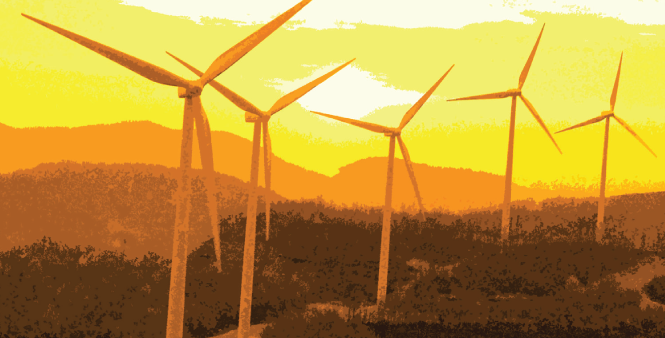
It seems that nearly every week, we are held hostage in our very homes. Brown outs, black outs, no electricity, at times for days on end. Plus, in this season of heavy rains, it’s tough to fix any infrastructural issues. And let’s not forget those hefty bills. Is there light at the end of the tunnel for Nairobi and the country at large? Wind.
Lake Turkana Wind Power (LTWP) is harnessing it like never before on the African continent with 365 turbines spread across 40,000 acres. The project will provide citizens with 300 MW of low-cost, reliable, renewable energy, offsetting Kenya’s need to spend over Kes 15 billion per year on importing expensive, unpredictably-priced fossil fuels (diesel). This encouraging news is being delivered by the impeccably-dressed and eloquent Carlo Van Wageningen, chairman of LTWP.
“The wind resource in this part of Africa is huge, making it competitive with other, more traditional forms of power generation like hydro, diesel and geothermal. We are building the single largest wind farm in Sub-Saharan Africa, which will feed into Kenya Power’s national grid to supply approximately 20% of its electricity-generating capacity.”
What’s more, the wind farm has been strategically designed to minimize environmental impact. Its location, 25 kilometres from the shores of Lake Turkana, prevents any intrusion on tourism, while also placing it outside principal migratory routes for birdlife. And, as LTWP is all about green energy, there are no carbon emissions to worry about. Which leads us to carbon credits. “We’ve been approved at the Gold Standard rating by the United Nations Framework Convention on Climate Change,” says the chairman. “As these premium credits possess value on the stock market and can be sold, we estimate a generation of approximately 26 billion Kenya shillings over the 20-year lifespan of the project.”
LTWP will be returning essentially 100 percent of that profit to the government for investment in communities around the power plant, improving their livelihoods through job creation,education, healthcare and more. Another breakthrough: At some $750 million, LTWP represents the single largest private investment in East Africa— perceived by many to be a massive gamble. “A lot of eyes were looking to LTWP to see if it would take off, and we’ve proven that wind power can work here. So we’ve broken that ice. Furthermore,” Carlo elaborates, “the size of this investment will attract like projects in the infrastructural sector, so desperately needed in this part of the world to support a real economic spinoff.” With a financial close expected by the partners in the coming months, LTWP plans to be fully operational at 300 MW by late 2014 For more information, go to www.laketukanawindpower.com.
| < Prev | Next > |
|---|


