Sasa Nairobi
Hosted by Goethe-Institut, contemporary artist Michael Soi presents a series of 17 paintings celebrating women from all over Nairobi, bringing you different takes on the...
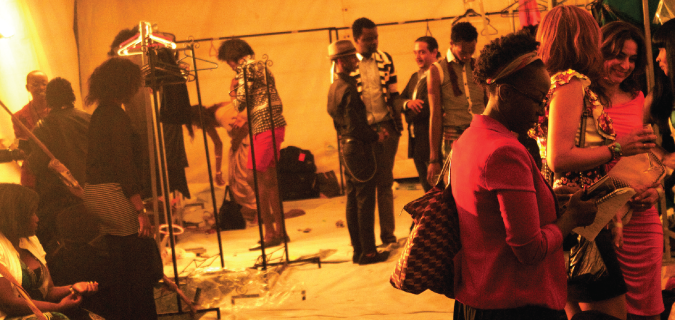
Fashion is big business. Just this year alone, there have been over 20 events that overtly or indirectly incorporated elements of catwalk fashion and retail shopping. A walk through Nairobi’s central business district reveals dozens of two-storey buildings chock-full of 8’X 6’ boutique stalls selling shoes, clothes and fashion accessories. Any decent mall hosts at least one international fashion chain.
And every other day, an aspiring Kenyan designer excitedly hands you his/her business card while stylish neophyte bloggers gain the courage to carve their nooks in cyberspace. Clearly, there is a fashion explosion, but who is cashing in? “[I sell] an average of five to nine haute couture pieces in a month,” says Azra Walji, an upcoming designer who recently showcased at FAFA. Working out of her home, she creates cocktail, evening and haute couture pieces that sell at an average price of between KES 8,000 and 50,000. Because she doesn’t rent a store space and works alone, Azra is able to cut down on her production costs.
But she readily agrees that the business aspect of fashion can be much more challenging that the creative side. Azra explains, “In such a market where [a designer is] competing with cheap second-hand clothing, it doesn’t give [him/her] a chance to survive in the fashion industry in Kenya.” But is mitumba (second-hand clothing) really the “bad guy” in this situation? After all, isn’t the fashion industry simply a collection of makers and sellers of fashionable clothing? Fashion enthusiast Anyiko Owoko feels that both high-end designer products and mitumba clothes can easily hang together in the same closet. “I love mitumba stuff because they are very cheap [between KES 50 and KES 1,000] and if you’re lucky you can bump into very unique designs.
[And] I buy designer clothes when they are for sale and if they excite me and I can afford it, then why not?” That’s the mentality that’ll keep both high-end designers and thousands of informal hawkers in business. Because if a Kaveke jacket can set you back KES 12,000 or more and a regular/advance ticket to the Fashion High Tea event retails at KES 4,000, somebody has got to be We investigate the business of fashion Backstage Pass By Wanjeri Gakuru willing to pay.
And by all measures, these people exist and come out in big numbers. “There may have been 600 or more guests at FAFA this year,” reveals a source close to the event. But fashion designers also need to spend money to make money. Not only on production costs but also at fashion festivals and bazaars. Thankfully, the consumers tend to flock these events because vendor space does not come cheap. Catherine Muya is one-half of a kids and ladies accessories business. “We would usually spend KES 3,000 to KES 10,000 to participate in an event,” she states. This would be for a 50 pax tent for either one or two days.
She says that these costs are then recouped depending on the turnout of customers and how well the event is advertised. So, is it worth pursuing fashion as a business? “[It] is worth it, to those with a passion for it and with the hunger to educate themselves in the field they are in,” posits successful fashion blogger and stylist, Nancie Mwai. Her site has received various accolades including inclusion in UK newspaper, The Guardian’s ‘Top 10 African Fashion Blogs”. She adds, “I learn from people around me, their experiences and I also learn from people who are doing what I do and have succeeded.” Rumoured to be among Nairobi’s toppaid fashion bloggers, Nancie’s secret to success is to remain enthusiastic even when things are not working out. And you can take that to the bank.


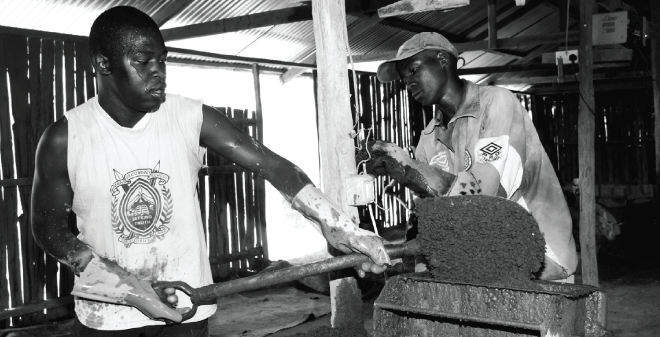
In a city of over three million souls, not everybody has a proper home to lay their head down to sleep at night. Jamii Bora Makao (JBM), a housing program based in Nairobi’s industrial area, hopes to turn things around. Founded in 2007, JBM’s initial vision was to provide members of Jamii Bora Group (one of Kenya’s largest micro finance institutions) with affordable housing.
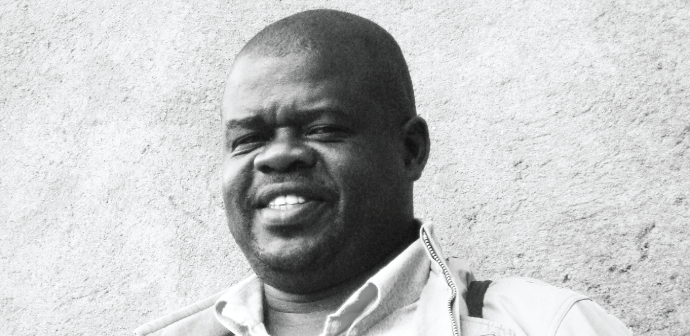
Andrew Okiya Okoiti Omtatah strolls down Aga Khan Walk carrying a black bag containing assorted literature. Kenya’s establishment sees this commoners’ hero as a trouble-making busybody who doesn’t mind his business. From solo protests to picketing to taking Kenya’s high and mighty to court, he courts trouble like David daring Goliath. This contentious attitude has been present all through his life. “Flipping through my report cards for teachers’ remarks, they mostly read, ‘disciplined, but outspoken’.
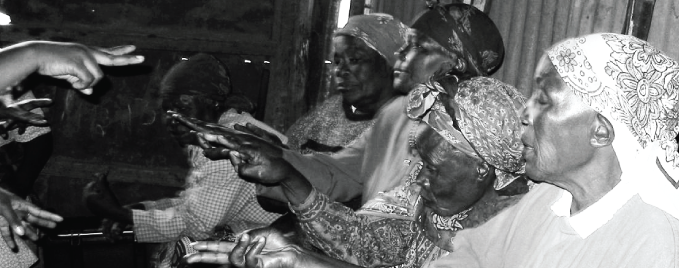
ixty-five-year-old Mary Wangui may look like just another frail old granny but nothing could be further from the truth. In the notorious Korogocho slums where she lives, her reputation precedes her. You see, a little over a year ago, Wangui was digging in her small plot when a young man attempted to rape her. Using what she had learnt from the self defense classes for elderly women taught in her community, she threw a fistful of soil in her attacker’s face, clobbered him with her panga (machete) while screaming and shouting at the top of her lungs. Soon, a large crowd gathered and her attacker was arrested and put in jail.

It was an odd gathering—a judge, resplendent in a dark robe and horsehair wig, and two men in wheelchairs. There, amid blaring car horns and curious onlookers, the party conducted judicial proceedings in the open-air car park. This was because the court of law, much like dozens across the country, was not accessible to persons with disabilities (PWDs). Fixed seats, narrow corridors, sidewalks and out-of service elevators (where they even exist), prevent PWDs from accessing public services to which they are entitled.


